
Let me ask you something.
When’s the last time you said you were “doing hydrated”?
Never. Because that’s not how it works. You drink water. You are hydrated. That’s not a journey. That’s not a discipline. That’s just what happens when you stop dehydrating yourself.
Sober works the exact same way.
You are sober right now. You’re sober until you’re not. The moment no alcohol or substances are running through your system, you are, clinically and factually, sober. There’s no mountain to summit. No badge to earn. No special state of being to unlock.
And yet… we’ve built an entire culture around doing sober like it’s a second job.
That’s the problem. And it’s costing people everything.
The Lie We Were Sold
Somewhere along the way, sobriety became a mission.
A thing you wake up and perform every single day. A scoreboard. A 30-day streak. A chip. A identity you wear like a badge that announces to everyone in the room: I am a person who doesn’t drink, and that is the most important thing about me right now.
I get it. I lived it.
But here’s what nobody tells you: when you treat sober like something you’re doing, you make it impossibly heavy. You turn the absence of a thing into a full-time responsibility. And your brain, being the brilliant pattern-recognition machine that it is, starts to associate sober with struggle. With effort. With sacrifice.
And then you wonder why it feels like climbing a wall every single day.
You’re not struggling because you’re weak. You’re struggling because you’ve been given the wrong frame.
What Sober Actually Is
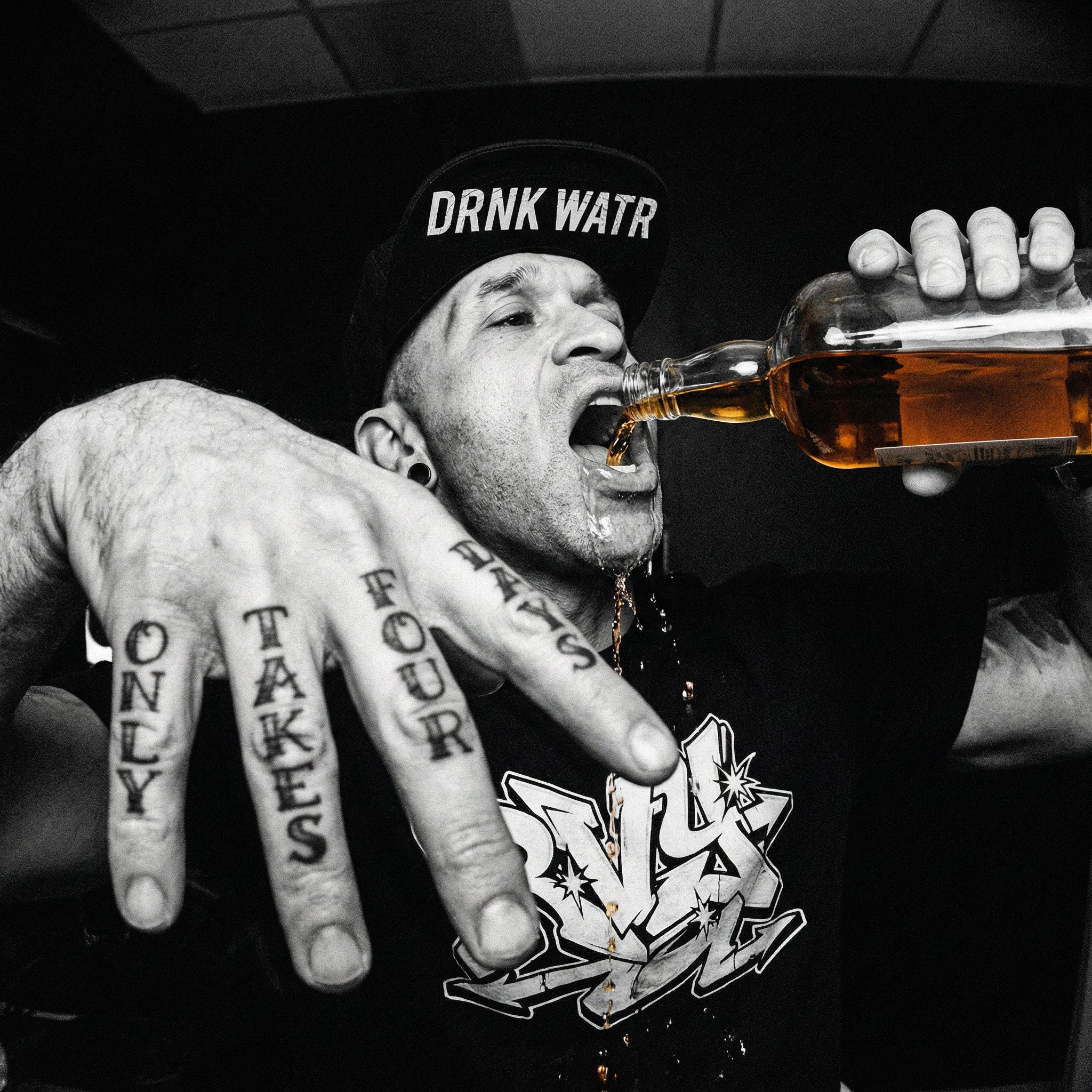
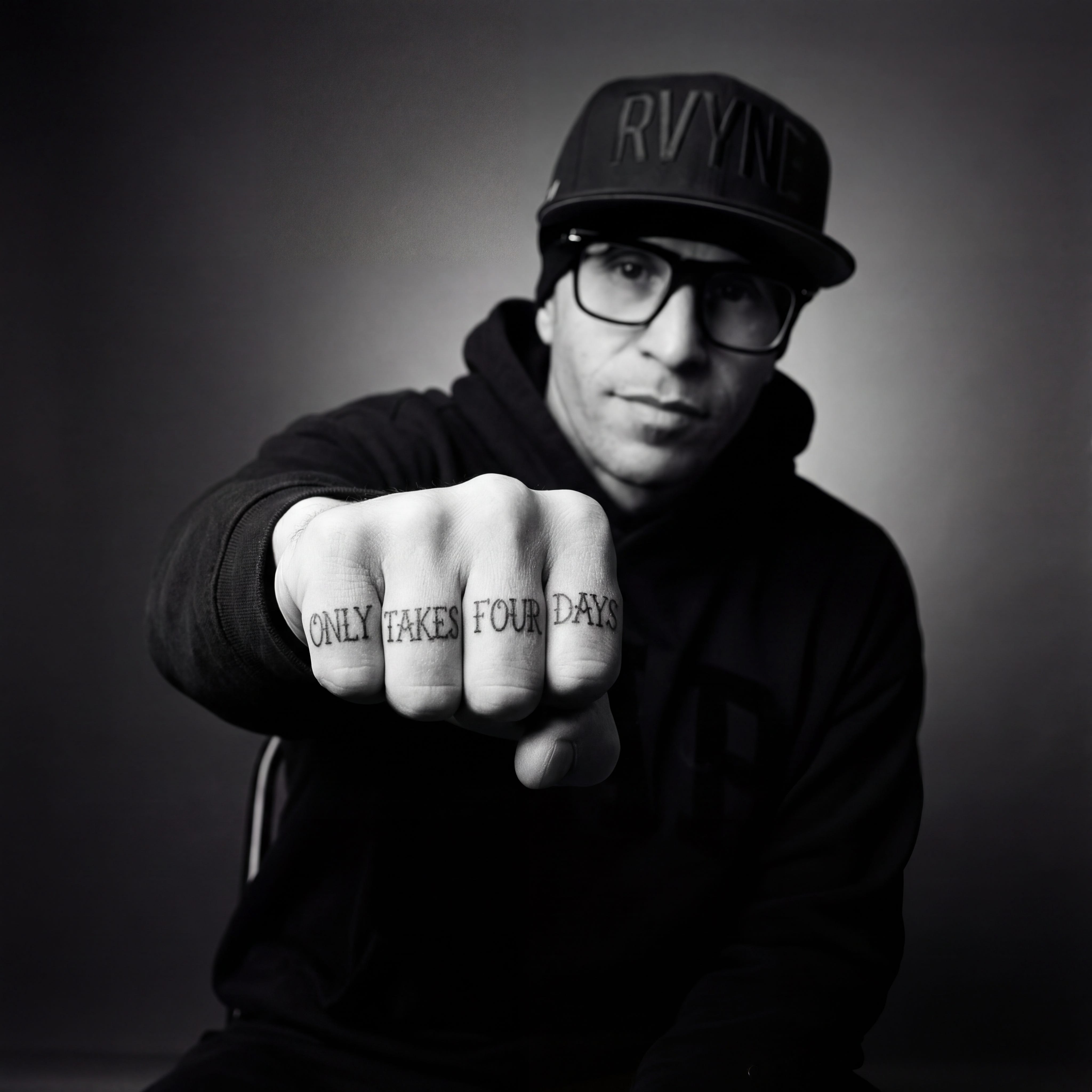
Four days.
That’s how long it takes for alcohol to fully process out of your body. After four days, you are chemically, physiologically, one hundred percent sober. Same as anybody else on the planet who didn’t drink this week.
That’s it.
Sober doesn’t mean happy. It doesn’t mean healed. It doesn’t mean you’ve got your life together, your relationships fixed, your trauma processed, and your bank account right. It means there’s no alcohol in your body.
That’s the baseline. That’s the starting line. Not the finish line.
The reason I say this isn’t to minimize it. It’s to free you from the weight of it.
Because when you realize that sober is just what you are when you’re not intoxicating yourself, it stops being this massive mountain you have to keep climbing. It becomes the floor you stand on. And from the floor, you can actually start building something.
The Pattern I Keep Seeing
I’ve been getting hundreds of emails. And I started noticing something.
People are all saying different things, but underneath? Same sentence.
“I’m trying to do this sober thing.”
That phrase. Right there. That’s the problem.
Because the moment you call it a thing, your brain treats it like a task. And tasks can be failed. Tasks can be abandoned. Tasks can feel pointless when you don’t see results fast enough.
You don’t do sober. You don’t do breathing. You don’t do being alive. These things are happening whether you’re paying attention to them or not. The only action involved was the one you stopped taking. You stopped intoxicating yourself. And now, you’re sober.
What you do after that is where the real work lives.
Stopping Drinking Doesn’t Change Who You Became While Drinking
This is the part people don’t want to hear. And it’s the most important thing I’ve ever said.
Just because you stopped drinking doesn’t mean you’re a different person.
You’re the same version of yourself, minus the substance you used to get through the day. Same short temper. Same avoidance patterns. Same arguments. Same coping mechanisms, just without the buffer.
Here’s why: your brain is adaptive. Wildly, brilliantly adaptive.
When you drink consistently, your brain doesn’t shut down. It adjusts. It learns how to code your behavior, your reactions, your personality inside an intoxicated environment. It wires itself to the world through the lens of alcohol. That becomes your baseline. That becomes what feels normal.
So when the alcohol is gone? Those same codes try to fire. Same patterns, same reactions, same loops. Just without the thing that made them feel manageable.
This is why people get sober and still feel like themselves. The angry version. The anxious version. The version that hated themselves at 2am and didn’t know why.
Sober didn’t fix that. Sober just removed the anesthetic.
What actually fixes it is what I call identity reconstruction. And that’s where the work begins.
Identity Reconstruction: The Real Work
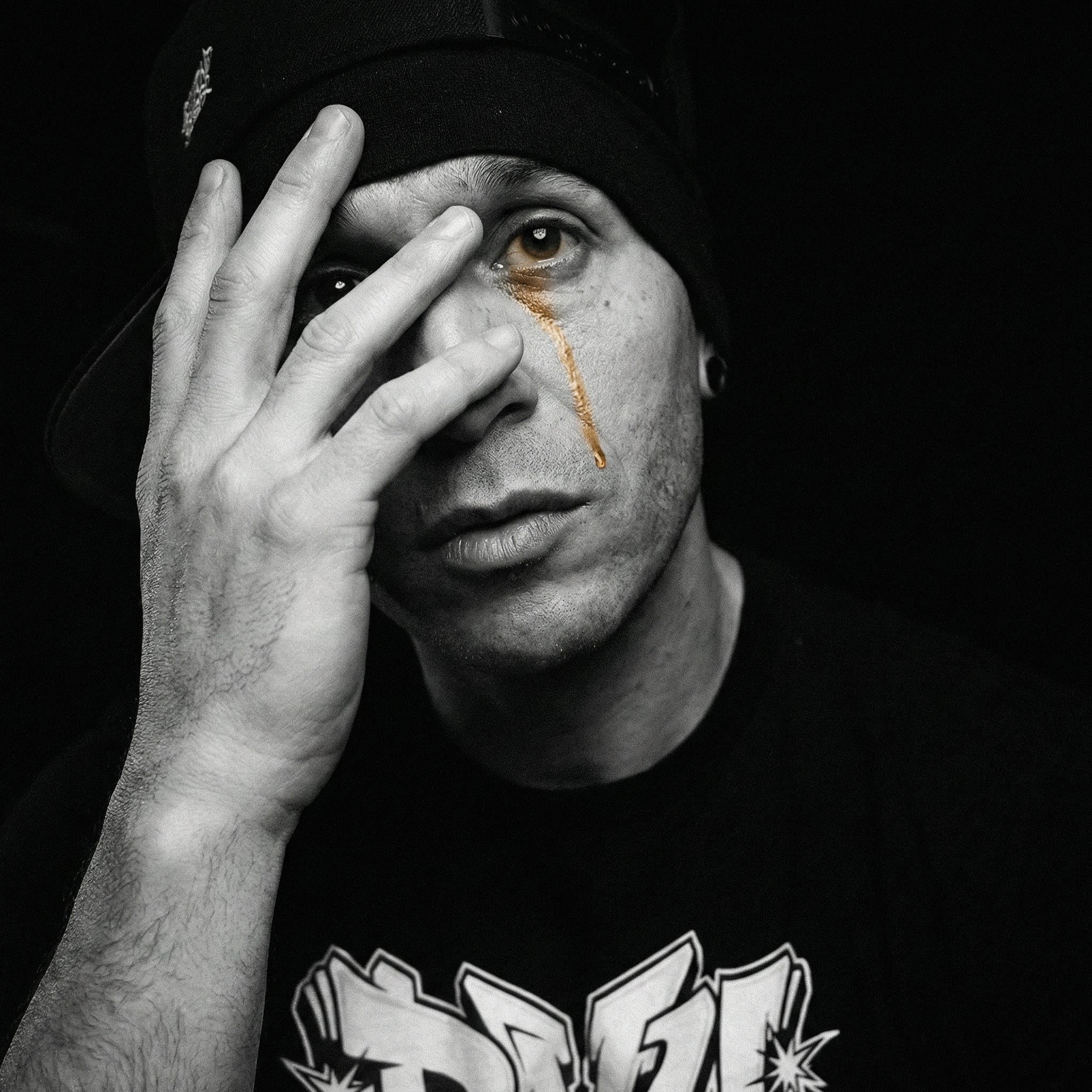
Recovery isn’t about quitting. It’s about becoming.
When I talk about identity reconstruction, I mean exactly that. You have to actively, consciously practice being the person you actually want to be. Not the person alcohol helped you tolerate being. Not the person your trauma wired you to default to. The person you actually are underneath all of it.
Here’s the thing about your brain: it doesn’t know the difference between who you were and who you’re becoming. It just knows what you practice.
If you practiced being short-tempered while drinking, your brain coded that in. If you practiced avoidance, it coded that in. If you practiced being an asshole to the people you loved most, that got coded in too.
But the same system that coded those patterns can recode them. Every single time you feel triggered and choose differently, your brain is watching. And it’s adapting. It’s writing new code.
That’s not therapy speak. That’s neuroscience.
The practice isn’t perfection. It’s just choosing differently, one trigger at a time, until the new way becomes the default. Until the old version doesn’t feel like you anymore.
The “Don’t” Trap
Here’s something wild that I want you to sit with for a second.
Your brain doesn’t process the word “don’t.”
When I say don’t think about a red apple, what did you just think about?
Exactly.
Your brain needs context. It needs a reference point. So when it hears “don’t drink,” it hears “drink.” When it hears “stop thinking about alcohol,” it hears “alcohol.” The negation drops out. The subject stays.
This is why telling yourself not to drink is one of the least effective strategies in existence. You’re literally keeping alcohol at the center of every internal conversation.
The shift is this: you’re not trying to stop something. You’re trying to start something else.
You’re not putting the drink down. You’re picking something up. And in order to pick that new thing up, your hands have to be free.
The energy goes where the focus goes. So focus on what you’re becoming, not what you’re leaving behind.
On “Once an Alcoholic, Always an Alcoholic”
Let’s talk about this one directly.
This phrase was designed to help people stay accountable. I understand the intention. But the execution is costing people their belief in their own ability to change.
Because what it’s really saying is this: You are forever defined by the worst version of yourself. You peaked in destruction. There’s a ceiling on who you can become.
That’s not science. That’s not even close to how the brain works.
I used to be an alcoholic. Clinically. Physically dependent. 30 to 50 shots a day. My liver failed. My heart stopped. I was throwing up blood. That happened.
And now? My labs are clean. I haven’t had a drink in nine years. I don’t identify as an alcoholic. Not because I’m in denial, but because the label no longer describes anything true about me.
I’m not an alcoholic before I’m fit. Before I’m happy. Before I’m a father, a partner, a builder. I’m not an alcoholic before I’m Kohdi.
Labels are only useful when they move you forward. The moment a label becomes a ceiling, you drop it.
Here’s the actual truth behind “once an alcoholic, always an alcoholic”: you might always have a higher preference for alcohol than someone who never struggled with it. That’s real. That’s worth respecting. But preference is not destiny. And respecting a risk doesn’t mean you’re forever broken.
You can become someone who genuinely doesn’t want it. Who couldn’t fathom poisoning themselves. Not through white-knuckling. Through becoming.
Lapse vs. Relapse. These Are Not the Same Thing.
This matters. And I want to be really clear.
A lapse is going 30 days, having a drink, and coming back. That’s it. You tripped. You got back up. The 30 days still happened. Your body still changed. Your brain still adapted. One night doesn’t erase any of that.
The idea that a single drink sends you back to day one is not science. It’s a control mechanism. And the people pushing it hardest are usually the ones who need you to stay sick so their journey feels more significant by comparison.
Don’t give people that power.
A relapse is different. A relapse is when you pick it back up and can’t put it back down. When the circumstance gets worse, not better. When you need professional support, medical intervention, a real plan. That’s serious. That’s worth taking seriously.
But a lapse? That’s human. That’s the process. And if you’ve lapsed and you’re back? I’m proud of you. We keep going.
The only thing that actually increases your risk of both is refusing to grow. If you stop drinking but stay the same person, you’re one bad day from the drink that relieves the pressure. The insurance against that isn’t willpower. It’s identity.
When you become someone different, the old coping mechanisms don’t fit the person you are anymore.
Who Are You Becoming?
This is the question. The only one that actually matters.
Not how long you’ve been sober. Not what your rock bottom looked like. Not what label you’ve been carrying since someone told you what you were.
Who are you becoming now that the substance isn’t in the way?
When I was drinking, I felt confident with two shots of Jameson. Walked into rooms like I owned them. No social anxiety. No second-guessing. That version of me felt the most like me.
And here’s what I figured out: that version wasn’t the alcohol. That version was me, underneath all the noise. The drink just gave me permission to access it.
So I stopped trying to access it through a substance and started building the actual thing. Meditation. Training. Getting comfortable in uncomfortable rooms. Practicing showing up as myself without a buffer.
It took time. But now when I walk in somewhere, I don’t need the two shots. Because I built the version of me that those two shots used to fake.
That’s available to you. All of it.
There is nothing that alcohol gives you that you can’t generate yourself. The confidence. The calm. The social ease. The relief. All of it exists inside you without the poison. You just have to practice finding it.
Sobriety Guarantees Nothing. And That’s the Point.
Sobriety doesn’t guarantee happiness. It doesn’t guarantee success. It doesn’t guarantee that your relationships will heal, your kids will forgive you, or that the anxiety goes away on its own.
But happiness does guarantee sobriety.
When your life is full, when your health has your attention, when you’re evolving toward something that actually matters to you, the drink stops being interesting. Not because you’re white-knuckling through cravings. Because you’ve become someone who doesn’t need it.
That’s the direction.
Not sober as the destination. Sober as the floor. And from the floor, you build a life that makes the drink irrelevan
If You’re Ready to Go Deeper
The Beyond Sober program exists because a YouTube video isn’t going to do it. A quote on a graphic isn’t going to do it. What actually moves people is access to real tools, real community, and a framework for actually reconstructing who they are.
Everything I wish I had when I was at rock bottom, I built into this program. And there’s no charge to get started.
If any of this landed for you, come check it out. beyondsoberpro.com or take the quick quiz at beyondsoberscan.com and I’ll personally review your answers and point you toward what’s going to actually move the needle for you.
You’re not broken. You’re not forever fucked. You’re just becoming.
And that process started the moment you showed up to read this.
Keep going.
Kohdi Rayne is the founder of Beyond Sober, a coach, speaker, and author who drank until his heart stopped and his liver failed, and has been rebuilding ever since. Find him everywhere at the links below.
YouTube: Beyond Sober Website: beyondsober.org TikTok: @kohdi.rayne Instagram: @kohdi.rayne Facebook: /kohdirayne Brand: beyondsoberclothing.com